
Redmi Note 13 Pro 5G (8GB RAM, 128GB Storage, 200MP OIS) vs Apple MacBook Air 13" (M3, 16GB RAM, 512GB SSD)
Side-by-side comparison between Redmi Note 13 Pro 5G (8GB RAM, 128GB Storage, 200MP OIS) and Apple MacBook Air 13" (M3, 16GB RAM, 512GB SSD). Compare tested benchmark scores, real-world Indian prices, specs, and trade-offs.
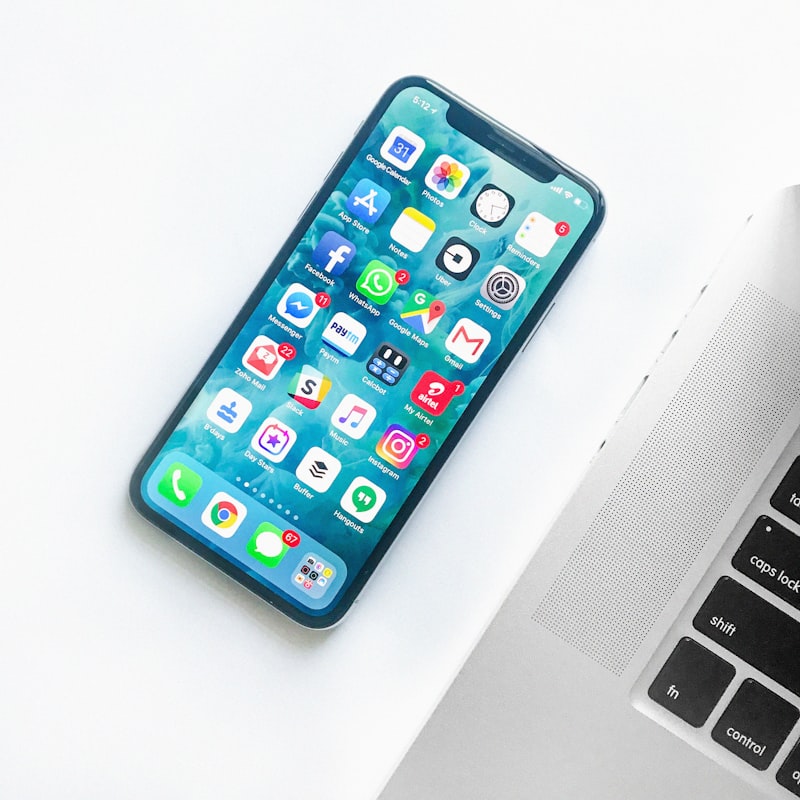
Redmi Note 13 Pro 5G (8GB RAM, 128GB Storage, 200MP OIS)

Apple MacBook Air 13" (M3, 16GB RAM, 512GB SSD)
Which one should you buy?
Apple MacBook Air 13" (M3, 16GB RAM, 512GB SSD) scores higher overall with Outstanding 15-18 hour real-world battery life on a single charge. Redmi Note 13 Pro 5G (8GB RAM, 128GB Storage, 200MP OIS) remains a worthy contender with Class-leading 200MP main camera with OIS captures sharp detail in good lighting.
Feature & Spec Breakdown
| Feature / Spec |  XiaomiRedmi Note 13 Pro 5G (8GB RAM, 128GB Storage, 200MP OIS)₹21,999 |  AppleApple MacBook Air 13" (M3, 16GB RAM, 512GB SSD)₹1,38,295 |
|---|---|---|
Latest Indian Street PriceRedmi Note 13 Pro 5G (8GB RAM, 128GB Storage, 200MP OIS) is more affordable | ₹21,999 Winner | ₹1,38,295 |
Tested Quality Score | 9 / 10 | 9.3 / 10 Winner |
Camera | 200MP OIS (Samsung HP3) + 8MP Ultra-wide + 2MP Macro | — |
Processor | Snapdragon 7s Gen 2 (4nm) | Apple M3 chip (8-core CPU, 10-core GPU) Winner |
Display | 6.67-inch 1.5K AMOLED, 120Hz, Dolby Vision, Gorilla Glass Victus | 13.6-inch Liquid Retina (2560 x 1664), 500 nits Winner |
Battery & Charging | 5,100 mAh / 67W Turbo Charge (adapter included) | — |
RAM | — | 16GB Unified Memory |
Storage | — | 512GB SSD |
Weight | — | 1.24 kg |
Battery | — | 52.6 Wh (Up to 18 hours wireless web) hours |
Where Xiaomi Excels
- Class-leading 200MP main camera with OIS captures sharp detail in good lighting
- Vibrant 1.5K resolution 120Hz AMOLED display with 1800 nits peak brightness
- Fast 67W charger included in the retail box (0-100% in 45 minutes)
- 3.5mm headphone jack and IR blaster included
Where Apple Excels
- Outstanding 15-18 hour real-world battery life on a single charge
- Completely silent fanless operation
- Vibrant Liquid Retina screen with crisp text
- Excellent keyboard and industry-best touchpad
- Long software support lifecycle (6+ years)
Our Practical Take
When choosing between Redmi Note 13 Pro 5G (8GB RAM, 128GB Storage, 200MP OIS) and Apple MacBook Air 13" (M3, 16GB RAM, 512GB SSD), consider your primary everyday use case. Redmi Note 13 Pro 5G (8GB RAM, 128GB Storage, 200MP OIS) highlights Class-leading 200MP main camera with OIS captures sharp detail in good lighting, while Apple MacBook Air 13" (M3, 16GB RAM, 512GB SSD) offers Outstanding 15-18 hour real-world battery life on a single charge.
Who Should Buy Redmi Note 13 Pro 5G (8GB RAM, 128GB Storage, 200MP OIS)?
- •Buyers seeking the best camera and display quality under ₹22,000 during festive sales
Who Should Buy Apple MacBook Air 13" (M3, 16GB RAM, 512GB SSD)?
- •College students needing reliable battery for long study days
- •Software developers coding in Web, Node, Python, or Flutter
- •Working professionals who travel frequently and hate carrying heavy chargers
Related Buying Advice
When buying a gaming laptop in India, always check the GPU TGP (Total Graphics Power) wattage. On NVIDIA RTX 4050 & RTX 4060, maximum rated TGP is 140W (115W + 25W Dynamic Boost), but real-world gaming FPS peaks at 100W. A 100W TGP RTX 4050 significantly outperforms a throttled 45W RTX 4060 by up to 25% while costing ₹15,000 less.
ElectronicsFor basic college work and office docs, ₹35,000–₹45,000 is enough. For software development and smooth multitasking, target ₹55,000–₹75,000 with 16GB RAM. If you need 14+ hour battery life or professional video editing, spend ₹90,000–₹1,15,000.
ElectronicsFor Windows laptops in 2026, 16GB RAM is the absolute practical baseline; 8GB will throttle under modern browsers with 15+ tabs. For smartphones, 8GB RAM is the sweet spot for smooth 4-year longevity.
CheckAndBuy.in earns affiliate commissions from store links (Amazon, Flipkart, Croma). Our scores and recommendations are strictly based on specs, pricing data, and verified customer evidence — brand sponsorship does NOT dictate our picks.