
Apple MacBook Air 13" (M3, 16GB RAM, 512GB SSD) vs ASUS Zenbook 14 OLED (Intel Core Ultra 7, 16GB, 1TB SSD)
Side-by-side comparison between Apple MacBook Air 13" (M3, 16GB RAM, 512GB SSD) and ASUS Zenbook 14 OLED (Intel Core Ultra 7, 16GB, 1TB SSD). Compare tested benchmark scores, real-world Indian prices, specs, and trade-offs.
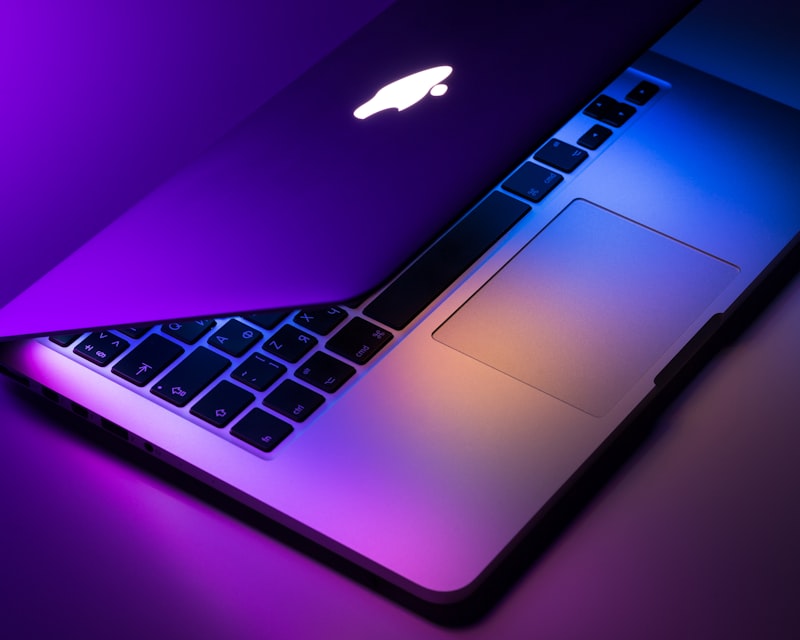
Apple MacBook Air 13" (M3, 16GB RAM, 512GB SSD)

ASUS Zenbook 14 OLED (Intel Core Ultra 7, 16GB, 1TB SSD)
Which one should you buy?
Apple MacBook Air 13" (M3, 16GB RAM, 512GB SSD) scores higher overall with Outstanding 15-18 hour real-world battery life on a single charge. ASUS Zenbook 14 OLED (Intel Core Ultra 7, 16GB, 1TB SSD) remains a worthy contender with Stunning 3K 120Hz OLED display with deep contrast and 600-nit HDR peak brightness.
Feature & Spec Breakdown
| Feature / Spec |  AppleApple MacBook Air 13" (M3, 16GB RAM, 512GB SSD)₹1,38,295 |  ASUSASUS Zenbook 14 OLED (Intel Core Ultra 7, 16GB, 1TB SSD)₹1,36,305 |
|---|---|---|
Latest Indian Street PriceASUS Zenbook 14 OLED (Intel Core Ultra 7, 16GB, 1TB SSD) is more affordable | ₹1,38,295 | ₹1,36,305 Winner |
Tested Quality Score | 9.3 / 10 Winner | 9 / 10 |
Processor | Apple M3 chip (8-core CPU, 10-core GPU) | Intel Core Ultra 7 155H (16-core) Winner |
RAM | 16GB Unified Memory | 16GB LPDDR5X Winner |
Storage | 512GB SSD Winner | 1TB PCIe 4.0 NVMe SSD |
Display | 13.6-inch Liquid Retina (2560 x 1664), 500 nits | 14-inch 3K (2880 x 1800) 120Hz OLED Winner |
Weight | 1.24 kg | — |
Battery | 52.6 Wh (Up to 18 hours wireless web) hours | — |
Ports | — | 1x HDMI 2.1, 1x USB 3.2 Type-A, 2x Thunderbolt 4 |
Where Apple Excels
- Outstanding 15-18 hour real-world battery life on a single charge
- Completely silent fanless operation
- Vibrant Liquid Retina screen with crisp text
- Excellent keyboard and industry-best touchpad
- Long software support lifecycle (6+ years)
Where ASUS Excels
- Stunning 3K 120Hz OLED display with deep contrast and 600-nit HDR peak brightness
- Full port selection including HDMI 2.1, USB-A, and 2x Thunderbolt 4 ports
- Featherweight 1.2 kg aluminum body
- Generous 1TB NVMe SSD storage out of the box
Our Practical Take
When choosing between Apple MacBook Air 13" (M3, 16GB RAM, 512GB SSD) and ASUS Zenbook 14 OLED (Intel Core Ultra 7, 16GB, 1TB SSD), consider your primary everyday use case. Apple MacBook Air 13" (M3, 16GB RAM, 512GB SSD) highlights Outstanding 15-18 hour real-world battery life on a single charge, while ASUS Zenbook 14 OLED (Intel Core Ultra 7, 16GB, 1TB SSD) offers Stunning 3K 120Hz OLED display with deep contrast and 600-nit HDR peak brightness.
Who Should Buy Apple MacBook Air 13" (M3, 16GB RAM, 512GB SSD)?
- •College students needing reliable battery for long study days
- •Software developers coding in Web, Node, Python, or Flutter
- •Working professionals who travel frequently and hate carrying heavy chargers
Who Should Buy ASUS Zenbook 14 OLED (Intel Core Ultra 7, 16GB, 1TB SSD)?
- •Windows users wanting a gorgeous screen for movie viewing and documents
- •Working professionals who need standard USB-A ports without adapters
- •Students looking for a portable 1.2kg laptop with plenty of 1TB storage
Related Buying Advice
When buying a gaming laptop in India, always check the GPU TGP (Total Graphics Power) wattage. On NVIDIA RTX 4050 & RTX 4060, maximum rated TGP is 140W (115W + 25W Dynamic Boost), but real-world gaming FPS peaks at 100W. A 100W TGP RTX 4050 significantly outperforms a throttled 45W RTX 4060 by up to 25% while costing ₹15,000 less.
ElectronicsFor basic college work and office docs, ₹35,000–₹45,000 is enough. For software development and smooth multitasking, target ₹55,000–₹75,000 with 16GB RAM. If you need 14+ hour battery life or professional video editing, spend ₹90,000–₹1,15,000.
ElectronicsFor Windows laptops in 2026, 16GB RAM is the absolute practical baseline; 8GB will throttle under modern browsers with 15+ tabs. For smartphones, 8GB RAM is the sweet spot for smooth 4-year longevity.
CheckAndBuy.in earns affiliate commissions from store links (Amazon, Flipkart, Croma). Our scores and recommendations are strictly based on specs, pricing data, and verified customer evidence — brand sponsorship does NOT dictate our picks.